Ramadan 2024

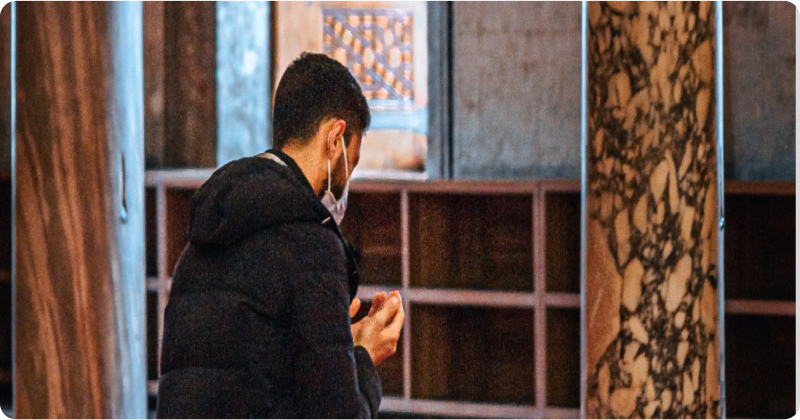
The Holy month of Ramadan is a joyous time in which families and communities come together in worship and reflection. With the sighting of the new moon, Muslims embark on a journey of devotion and self-discipline during the sacred month of Ramadan. This month-long period, marked by fasting from dawn until sunset, stands as one of the pillars of Islamic faith.
Ramadan is the ninth month of the Islamic calendar, a lunar calendar, which is based on the cycles of the moon. It is a holy month for the Muslim Ummah, who observe it by fasting from dawn to sunset, praying, reflecting, and doing good deeds.
The exact date of Ramadan varies every year, depending on the sighting of the new moon or the astronomical calculations. In 2024, Ramadan is expected to begin on Sunday 10th March and end on Tuesday 9th April in most countries. Ramadan is followed by a three-day festival called Eid al-Fitr, which means “the festival of breaking the fast”. There are many traditions and obligations of both Ramadan and Eid al-Fitr that Muslims from all over the world observe and adhere to.
Ramadan Around the World
The month of Ramadan is celebrated by millions of Muslims around the world with various traditions, events and customs. Here are some examples of how Ramadan is observed in different countries in the present day.
UK
In the UK, Ramadan is a time of diversity and integration. London, and the UK as a whole have a large and diverse Muslim community, with different backgrounds, cultures and languages. They observe Ramadan according to their own traditions and preferences. Some follow the local moon sighting, while others follow the Saudi Arabian calendar. Some break their fast with dates and water, while others break their fast with curry, pizza or fish and chips. Some pray at home, while others pray at mosques or community centres. Some celebrate Eid al-Fitr on the same day as Saudi Arabia, while others celebrate it on the next day. Despite these differences, Muslims in the UK respect each other’s choices and coexist harmoniously with other faiths.
Pakistan
In the country of Pakistan, Ramadan is a month of spiritual devotion and charity. People wake up before sunrise to eat the pre-dawn meal called suhoor or sehri, which gives them energy for the day. They then fast, which is observed until sunset, when they break their fast with iftar, which usually includes dates, fruit, pakoras (fried snacks), samosas (pastries filled with meat or vegetables) and chaat (spicy salad). Many mosques offer free iftar meals to the poor and needy. People also donate money, food and clothes to charity during Ramadan. The last ten days of Ramadan are considered the most sacred, especially the 27th night, which is also believed to be Laylatul Qadr.
Egypt
In Egypt, Ramadan is a time of social gatherings and festive meals. People break their fast at sunset with the iftar meal, which usually consists of dates, soup, bread, meat and desserts. After iftar, people go out to enjoy the night life, watch special TV shows or visit family and friends. Many streets and buildings are decorated with lanterns and lights, creating a festive atmosphere. The last night of Ramadan is called Laylat al-Qadr, which means the Night of Power. It is believed that on this night, Allah revealed the Quran to Prophet Muhammad through the Angel Jibreel. Muslims spend this night in prayer and worship, seeking to gain immense blessings from Allah.
Morocco
Ramadan is a time of cultural celebration and family bonding in Morocco, After sunset families come together for iftar, which typically consists of eating dates, harira (a soup with meat, lentils and chickpeas), bread, cheese and sweets. After iftar, people go to the mosque for the evening prayer and then visit relatives or friends. Many cafes and restaurants stay open until late at night, offering live music and entertainment. The last day of Ramadan is a holiday called Eid al-Fitr, which means the Festival of Breaking the Fast. People wear new clothes, exchange gifts and greet each other with “Eid Mubarak”, which means “Blessed Eid”.
India
In India, Ramadan is a time of diversity and tolerance. The country has a large Muslim population with different sects and ethnicities. They observe Ramadan according to their own traditions and preferences. Some follow the local moon sighting, while others follow the Saudi Arabian calendar. Muslim families often break their fast with dates and water, while others break their fast with biryani (a rice dish with meat or vegetables) and kebabs (grilled meat). Some pray at home, while others pray at mosques. Some celebrate Eid al-Fitr on the same day as Saudi Arabia, while others celebrate it on the next day. Despite these differences, Muslims in India respect each other’s choices and coexist peacefully with other religions.
Bahrain
In Bahrain, the beginning of Ramadan marks a time of hospitality and generosity. People break their fast at sunset with a meal called ghabga, which usually includes dates, soup, salad, rice, meat and sweets. After ghabga, people go to the mosque for the evening prayer and then socialise with friends or family members. Many hotels and restaurants offer lavish buffets and special menus for ghabga. People also invite guests to their homes for suhoor (the pre-dawn meal). The last day of Ramadan, Eid al-Fitr, is celebrated joyously as people wear new clothes, exchange gifts and greet each other with “Eid Mubarak”.
Bangladesh
In Bangladesh, the beginning of Ramadan ushers in a time of piety and solidarity. Bangladesh has a majority Muslim population, with a strong sense of Islamic identity and values. They observe Ramadan with devotion and discipline. They wake up before dawn to eat the pre dawn meal sehri, which gives them energy for the day. They then fast until sunset, when they break their fast with iftar, which usually includes dates, pitha (rice cakes), chola (chickpeas), beguni (eggplant fritters) and jalebi (sweet spirals). They also share their iftar with their neighbours and the poor. They go to the mosque for the evening prayer and then recite the Quran or listen to religious lectures. They celebrate Eid al-Fitr with joy and gratitude, wearing new clothes, exchanging gifts and stories with each other.
When Is Ramadan 2024?
Ramadan is the ninth month of the Islamic calendar, which is based on the lunar cycle. Unlike the Gregorian calendar, which follows the solar cycle, the Islamic calendar does not have fixed dates for each month. Instead, the start and end of each month depend on the sighting of the crescent moon.
When Does Ramadan Start and End?
The start of Ramadan is determined by the first crescent of the new moon that is visible after sunset. This means that Ramadan can begin on different days in different countries, depending on the location and time zone. However, some Muslim communities follow a pre-determined date based on astronomical calculations, while others wait for an official announcement from a religious authority.
According to some sources, Ramadan 2024 will start on the evening of Sunday, March 10th and last until Tuesday, April 9th. However, this date may vary by one or two days depending on the moon sighting.
The End of Ramadan 2024
The end of Ramadan is marked by Eid al-Fitr, which means “the festival of breaking the fast”. Eid al-Fitr is one of the two major festivals in Islam, along with Eid al-Adha. On this day, Muslims perform a special prayer in the morning, exchange greetings and gifts, and enjoy festive meals with their loved ones. Eid al-Fitr falls on the first day of Shawwal, the tenth month of the Islamic calendar.
According to leading astronomers, Eid al-Fitr 2024 will fall on Tuesday, April 9th However, this date may also vary by one or two days depending on the moon sighting.
Ramadan 2024 Calendar
The exact dates of Ramadan are determined by the sighting of the crescent moon, which is the first visible crescent of the new moon after the month of Sha’ban. This means that the dates of Ramadan can vary slightly from year to year, depending on when the crescent moon is first sighted.
|
Main Events |
Hijri Date |
Gregorian Date |
| First day of Ramadan | 1 Ramadan, 1445 | 10 March, 2024 |
| Laylat al-Qadr (Night of Power) | 27 Ramadan, 1445 | 7 April, 2024 |
| Eid al-Fitr (End of Ramadan) | 29 Ramadan, 1445 | April 9, 2024 |
Ramadan Celebrations
In every corner of the globe, Ramadan celebrations unfold in unique and culturally enriched ways. From bustling cities to serene villages, the diversity of how Ramadan is embraced underscores the universality of its blessings. The sights, sounds, and flavours of each country’s traditions blend with the essence of the holiday, creating a tapestry of observance that showcases the richness of the Muslim faith. Whether it’s the bustling bazaars of Istanbul, the lantern-lit streets of Cairo, or the community feasts in Kuala Lumpur, the vibrant mosaic of Ramadan celebrations serves as a reminder that, regardless of location, this holy month stands as a cherished time for reflection, renewal, and unity.