Iftar

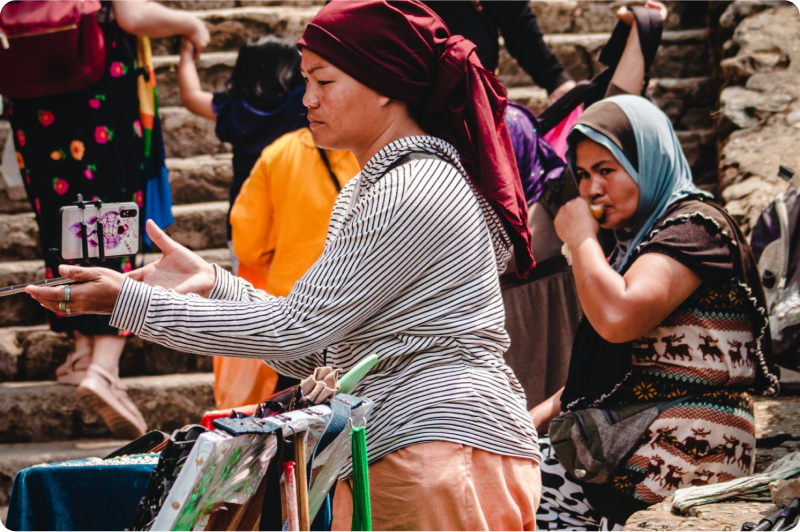
Iftar is a cherished and symbolic practice observed by Muslims around the world during the Holy Month of Ramadan. This essential tradition involves breaking the daily fast that Muslims have observed from dawn until sunset. It holds deep spiritual significance, fostering unity, gratitude, and community among Muslims globally.
When Muslims break their daily Ramadan fast at sunset they must make a specific Dua (supplication). After this it is Sunnah to begin breaking the fast by eating dates, just as the blessed Prophet Muhammad did at the time of the first Ummah in Medina. After eating the dates it is time for the Iftar meal which is the main meal of the day.
The Significance of Iftar
Iftar is the evening meal that Muslims eagerly anticipate to break their fast after enduring daylight hours without consuming food, drink, or other necessities. It marks the transition from fasting during the day to nourishing the body and soul in the evening. Iftar is a much anticipated event for all of those who are fasting. It’s more than just a meal eaten for the sake of nourishment, it is a time when families come together for the breaking of the fast, and celebrate overcoming the adversities of the day.
Iftar With Family
As Muslims break their daily fast, it is customary to eat the Iftar meal served at home with family. This often involves eating home cooking whilst talking and enjoying their time together. It’s also common for friends, and guests to join to share the experience. Iftar tables are adorned with an array of dishes, including a variety of foods such as meat, vegetables, rice, bread, and desserts. This communal meal is a celebration of sustenance, camaraderie, and spirituality.
Diverse Foods and Cultural Traditions
The Iftar meal varies widely based on cultural preferences and regional cuisines. Muslims around the world incorporate their unique dishes and flavours into the meal, adding to the richness and diversity of the tradition. From succulent meats or fish served with savoury rice dishes, to delectable desserts, Iftar reflects the cultural tapestry of the Muslim world.
Ramadan
Ramadan is the ninth month of the Hijri Islamic calendar, a lunar calendar followed by all Muslims. Each year Ramadan falls at a slightly different date due to the misalignment of the Gregorian calendar and the Islamic calendar. It is considered the holiest month in Islam, during which Muslims fast from dawn until sunset. This period of fasting during Ramadan is a time of increased devotion, reflection, prayer, and self-discipline.
Sawm: The Fourth Pillar of Islam
The Holy month of Ramadan is a joyous time when families and communities come together to engage in acts of worship. During this month Muslims fast from sunrise until sunset to fulfil Sawm (fasting), one of the Five Pillars of Islam that Allah has ordained for us. These pillars are obligatory for every adult Muslim of good health and sane mind to observe. The mere fact that Sawm is a pillar of Islam highlights its profound significance in the eyes of Allah.
Prayer and Reflection
Before the Iftar meal is eaten, Muslims perform the Maghrib prayer, one of the five daily prayers in Islam. This prayer signifies gratitude for the day’s blessings and is a moment of reflection and connection with Allah. Through this prayer, we reaffirm our dedication to our faith, acknowledging our dependence on Allah’s mercy, and expressing gratitude for the provision of food after a day of restraint.
The Hardships of Fasting
With Iftar, the main meal of the day, being after sunset, many Muslims find it tough to abstain from eating during daylight hours. To ease this hardship it is best to form a routine as soon as possible with the daily fast at the centre. By familiarising our bodies with this routine we are less likely to feel hungry before the fast is broken. Eating meals at night and in the early morning will become our new normal throughout the Holy month of Ramadan, and we are less likely to feel hunger before we break the fast.
Breaking the Fast
After fasting and refraining from eating food during daylight hours, the moment of breaking the fast is a spiritually significant time. As the sun sets, Muslims often begin by eating dates, which provide a quick source of energy and nourishment. This act symbolises the transition from a period of self-control and devotion to one of nourishment and gratitude. When we break fast we appreciate the gift of sustenance that Allah has provided for us.
Renewing the Sense of Community
Iftar is not only a time for nourishing the body but also for nurturing relationships. Families and friends gather to share food and stories, deepening their bonds. The act of inviting guests to Iftar is a way of extending hospitality and spreading goodwill. Iftar is a meal eaten with loved ones, the time spent eating is a time to reflect on old memories and also to make new ones.
Iftar at the Mosque
Mosques often host communal Iftar meals, also known as “Iftar dinners,” where Muslims gather to break their fast together. These gatherings not only provide a convenient and peaceful space for Muslims to break their fast, they also foster a sense of community and unity among worshippers. Iftar dinners at mosques typically include a variety of foods and beverages, and they often begin with the consumption of fresh dates and water, following the tradition of the Prophet Muhammad. After prayers and recitations, participants share a meal that often includes a diverse range of dishes, reflecting the cultural diversity of the Muslim community.
Spiritual Reflection and Gratitude
During the month of Ramadan, Muslims engage in fasting as an act of devotion to Allah. Iftar serves as a reminder of the blessings provided and the importance of self-discipline. It offers a time for reflection, gratitude, and an opportunity to pray to seek spiritual growth. Ramadan is also a month in which Muslims can congregate at mosques for the five daily prayers, and also for praying the night prayer of Taraweeh.
Charity in Ramadan
Although Ramadan is a time of reflection and gratitude, there are many Muslims who cannot afford to eat or provide food and shelter for their families. Ramadan is a time when generosity is encouraged and well rewarded. Muslims throughout the world donate to Islamic charities that use these funds to provide food for poor and impoverished communities. This act of giving promotes a sense of unity within the global Ummah as Muslims are able to connect compassionately and empathise with others.
Suhoor
Suhoor is the early morning meal eaten before sunrise. Some Muslims stay up until the early hours of the morning to eat Suhoor, but the average fasting person will sleep beforehand. Most people prefer to eat a range of foods such as naan bread and olive oil, meat kebabs and rice is also a staple, as are fruits and vegetables. Fruits are high in natural sugar and can provide energy for the coming day. It’s probably best to avoid drinking coffee at this time as the caffeine wouldn’t help getting to sleep. It is recommended to drink water to quench your thirst, and to hydrate the body for the coming day. After eating this meal most people sleep to get some rest and recharge before the day breaks. Another key aspect where hydration is concerned is salt intake. When you eat food with a high salt content the salt pulls water from your body’s cells causing dehydration, so it is key to limit the amount of salty foods you consume during the Holy month of Ramadan.
Unity Through Iftar
Iftar is more than just a meal that breaks the fast, it is a bridge that connects Muslims worldwide in their shared observance of the Holy month of Ramadan. As daylight fades, dinner tables are set, prayers are offered, and the fast is broken with fresh dates. A profound sense of unity and peace envelops the Muslim Ummah. Iftar embodies the essence of spirituality and gratitude, uniting Muslims worldwide in a shared experience of nourishing both the body and the soul.